December 2026

From the Chief Executive
Your voice matters. Keep talking to us.
Over the past year, many of you have told us what you need from Potatoes New Zealand. You want us close to the realities of growing potatoes, focused on profitability, practical research, pest and disease pressures, seed, markets and the issues that affect your ability to grow.
Most importantly, you want to be able to see what Potatoes New Zealand’s work is achieving and we agree.
As we head into 2027, we are changing the way we plan, deliver and communicate our work. There will be less emphasis on talking about our activities and more emphasis on what has changed for growers, what you can use and what value your collective levy investment is creating.
You will start seeing more of that in these newsletters:
- practical research brought back to the paddock
- clearer market intelligence
- crop and biosecurity information you can act on
- stronger reporting on what Potatoes New Zealand has delivered on your behalf
For many growers, summer is anything but a quiet period. Wherever you are in the season, I hope you have the opportunity to enjoy some time with family and friends over Christmas, and I wish you a safe and successful summer.
Kate Trufitt
Chief Executive
Potatoes New Zealand
As one year ends, the conversation continues.

Your Levy at Work
Your levy enables Potatoes New Zealand to undertake work that is difficult for individual businesses to achieve alone, from research and biosecurity to advocacy, market development and building capability across the industry. The focus is on turning that collective investment into practical outcomes for growers.
Research that works for growers
What we worked on: Potato tuber moth, tomato potato psyllid, common scab, powdery scab, Sustainable Vegetable Systems and other priority production challenges.
What we achieved: Delivered pest monitoring information, updated trapping guidance and field trials investigating practical approaches to pest and disease management. Research has also supported improved understanding of crop protection options and nutrient management.
What is next: More field demonstrations, practical research and accessible findings that growers can put to use.
Protecting our industry
What we worked on: Biosecurity, crop protection, Government Industry Agreements and regulatory requirements.
What we achieved: Developed an on farm biosecurity planning tool, supported chemical companies progressing new crop protection products and worked on environmental management requirements through New Zealand Good Agricultural Practice.
What is next: Strengthening practical biosecurity and crop protection resources to help growers manage risks and meet changing requirements.
Markets and demand
What we worked on: Retailer engagement, understanding the potato category and supporting export market opportunities.
What we achieved: Built a clearer picture of the domestic potato market, including consumer purchasing behaviour and opportunities across fresh, processed and crisp products. This provides a stronger evidence base for working with retailers and identifying opportunities to grow demand.
What is next: Turning market insights into practical initiatives that encourage greater potato consumption and support stronger market opportunities for growers.
People and capability
What we worked on: The Potatoes New Zealand Youth Council, scholarships, student internships and grower development.
What we achieved: Invested in the next generation of potato industry talent through awarding one Potatoes New Zealand Charitable Trust Bursary and one Potatoes New Zealand Charitable Trust Potato Business School Scholarship. Worked with eight Youth Council members to build their leadership skills, industry knowledge and connections, while two student internships provided hands on research experience and fresh insights to support potato growers.
What is next: Creating more opportunities for young people to develop skills, gain experience and build careers within the potato industry.
Your levy
Your levy is a collective investment in work that benefits the wider potato industry: protecting growers, strengthening your voice, finding practical solutions and helping build a profitable and resilient future for New Zealand potato businesses.
Market Watch
Food Prices and the Potato Market
The latest Stats NZ figures show food prices increased 2.3% in the year to October 2026, while fruit and vegetable prices increased 1.1%. On a monthly basis, fruit and vegetable prices fell 1.6% during October. With the summer season approaching, attention turns to potato availability, retail pricing and demand across fresh and processed products.
Why it matters
Retail prices and consumer purchasing patterns influence demand throughout the supply chain. Understanding these movements helps growers keep an eye on market conditions and the opportunities ahead.
Research in Action
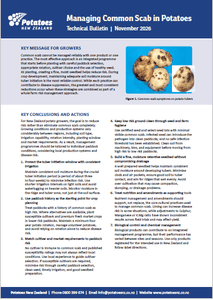
Managing Common Scab – Technical Bulletin
A new Potatoes New Zealand technical bulletin brings together practical information on managing common scab in potato crops.
Common scab can affect tuber quality and marketability, and management requires consideration of several factors across the growing system. The bulletin provides growers with information to support management decisions and reduce risk.
Grower outcome
Practical, accessible research and technical information helps growers apply current knowledge in the paddock and make informed crop management decisions.
Potato Tuber Moth Regional Monitoring Survey
The Potato Tuber Moth (PTM) Regional Monitoring Survey is entering its fourth season across the Franklin area. Coordinated by Potatoes New Zealand, the survey uses pheromone traps to monitor moth activity, identify changes in pest pressure and track seasonal trends. The results provide growers with valuable information to support timely crop protection decisions and help minimise potential crop damage.
Grower outcome
- Early awareness: Identifies increases in PTM activity before pest pressure escalates.
- Informed decisions: Helps growers plan timely pest management alongside their own crop monitoring.
- Crop protection: Supports efforts to reduce tuber damage, protect crop quality and minimise financial losses.
Growers are encouraged to follow the weekly updates throughout the season.
Tomato Potato Psyllid Trapping Guidance Updated
Potatoes New Zealand has updated its Tomato Potato Psyllid (TPP) trapping factsheet, with new recommendations on the placement and positioning of yellow sticky traps in potato crops.
The updated guidance supports growers and advisers in monitoring TPP activity throughout the growing season.
Grower outcome
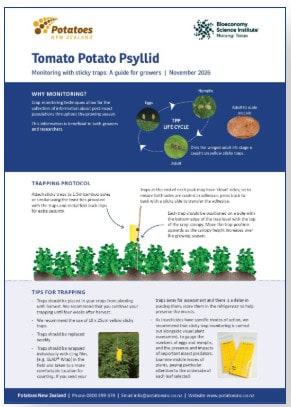
Correct trap placement helps improve monitoring consistency and provides more reliable information to support timely pest management decisions.
Crop Watch
Sustainable Vegetable System Demonstration trial: Nitrogen use efficiency
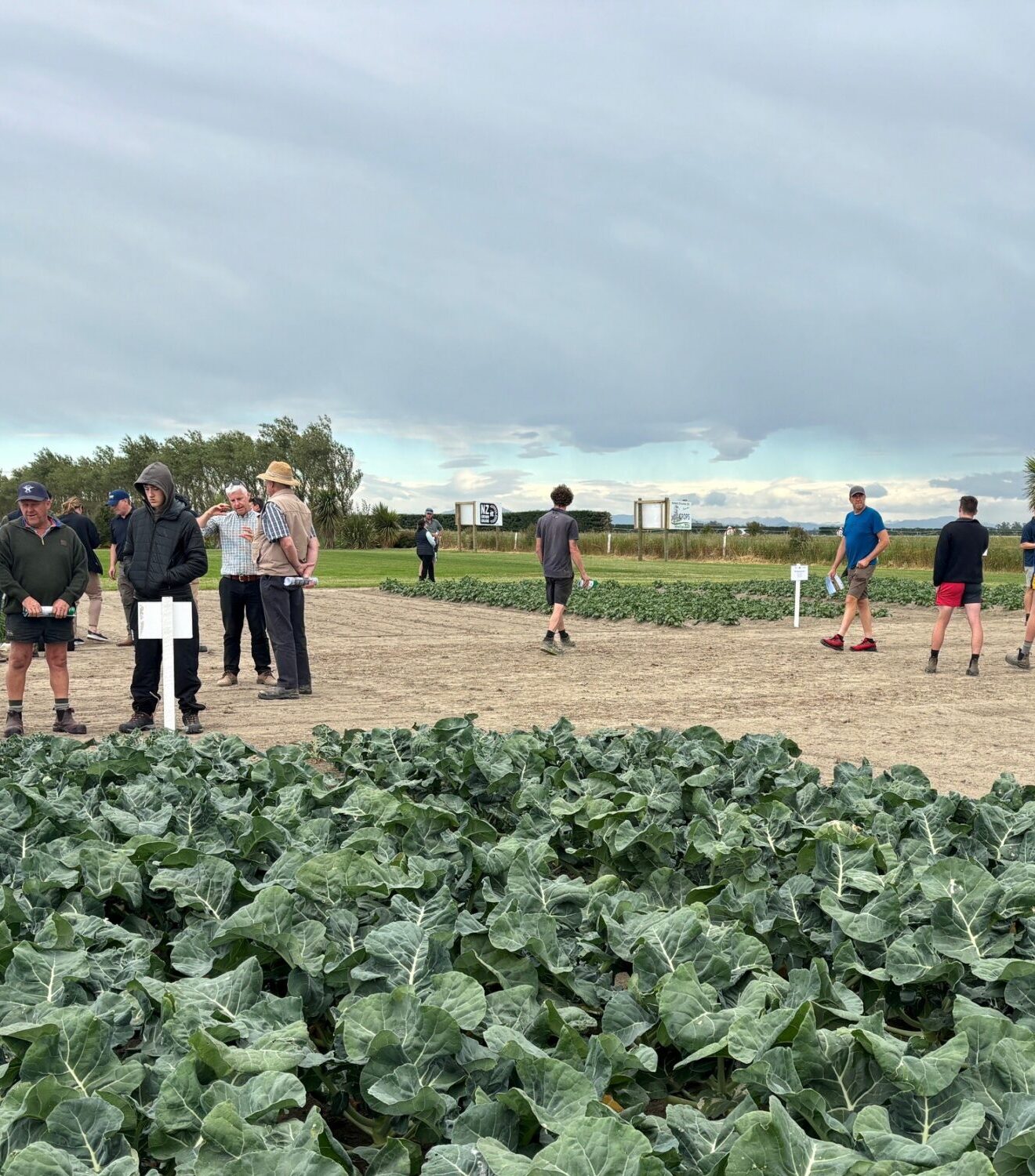
Potatoes New Zealand, the Foundation for Arable Research and NZ Veg are working together on a nitrogen management demonstration at the Chertsey Arable Research Site. The trial compares typical grower nitrogen practices with a programme guided and adjusted throughout the season using the Sustainable Vegetable Systems decision support tool.
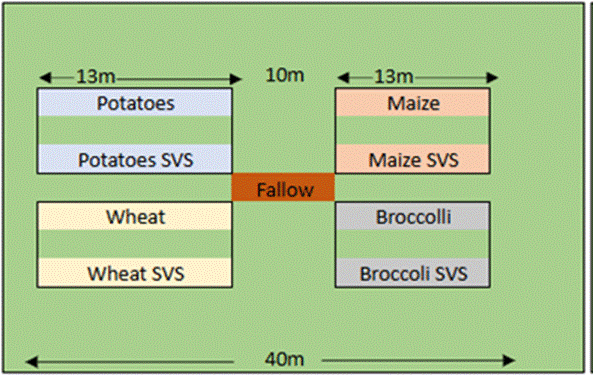
Covering potatoes, wheat, maize and broccoli, the demonstration monitors soil nitrogen levels and nitrogen release from the soil. Crop yields and nitrogen use efficiency will be assessed at harvest to help identify practical opportunities for growers.
What are we looking to learn?
The demonstration aims to better understand whether different nitrogen management approaches can help growers:
- Improve efficiency: Better match nitrogen applications to crop needs.
- Manage costs: Identify opportunities to avoid unnecessary fertiliser applications.
- Support sustainability: Reduce potential nitrogen losses while maintaining crop yields.
What happens next
Soil nitrogen monitoring will continue throughout the growing season, with crop yields and nitrogen use efficiency assessed at harvest. The findings will help identify practical lessons growers can consider when planning future nitrogen applications.
Biosecurity – Pests we want to keep out
New Zealand’s isolation helps protect our potato industry from many serious pests and diseases, but changing trade, travel and climate conditions mean new threats can emerge. Potatoes New Zealand works alongside Biosecurity New Zealand and other industry organisations to monitor these risks, strengthen our preparedness and help growers recognise and report anything unusual.
Colorado Potato Beetle (Leptinotarsa decemlineata)
This destructive pest can quickly strip potato plants of their foliage. Overseas, it has also developed resistance to insecticides, making it difficult and costly to control.
Keep an eye out for:
- Yellow or orange beetles with 10 distinctive black stripes.
- Orange red larvae with black spots.
- Clusters of yellow or orange eggs underneath leaves.
- Unusual or extensive damage to potato foliage.

Why it matters
If established in New Zealand, this pest could cause significant crop damage and increase production costs. Early detection is our best chance of keeping it out and protecting our potato industry.
Spotted something unusual?
Report suspected exotic pests to Biosecurity New Zealand on 0800 80 99 66.
Growing Our People
Congratulations to William Burrows, 2026 Potatoes New Zealand Charitable Trust – Potato Business School Scholarship Recipient
Congratulations to William Burrows of Burrows Farms, Methven, recipient of the 2026 Potato Business School Scholarship! William will travel to the Netherlands in June 2027 to develop his knowledge of potato production and management. The scholarship supports industry capability, with William planning to bring valuable insights back to share with New Zealand growers.
Thank You Eurogrow
A special thank you to Eurogrow, a valued Potatoes New Zealand Trade Member, for originally suggesting the scholarship opportunity. Their idea has helped create a valuable pathway for developing industry capability and supporting the next generation.
Congratulations, William! We look forward to following your journey and sharing what you learn.
Learning in the Field
Potatoes New Zealand and NZ Veg interns have been busy gaining practical experience across the horticulture industry, from soil sampling and crop disease identification to research trials and industry workshops. Working alongside industry specialists, they are developing valuable skills and gaining insight into commercial crop production.
Why it matters for growers: Supporting the next generation helps build a skilled workforce with practical knowledge of the challenges growers face, while providing valuable assistance with industry research and field activities.
Work Well
Staying Well This Summer
Summer is a busy time across the potato industry. Taking care of yourself and your team helps everyone stay safe, healthy and ready for the season ahead.
- Work smart: Plan workloads, take regular breaks and manage fatigue.
- Look after each other: Check in with your team and make time for a conversation.
- Recharge when you can: Enjoy time with family and friends and make the most of opportunities to rest.
Remember, looking after yourself is an important part of a successful season.
If you need support, please contact:
On the Horizon

SAVE THE DATE – Potatoes Conference 2027
17-18 August 2027
One New Zealand Stadium
More information
2027
4 Mar | Vegetables Big Day Out | Pukekohe | Register now >>
7-9 Apr | South Island Agricultural Field Days | Canterbury | More details >>
17 Apr | Potatoes New Zealand Birthday
30 May | International Day of Potato – Roots of resilience: Potatoes in a changing climate.
7-10 Jun | Hort Connections | Melbourne | More details >>
16-19 Jun | Fieldays | Mystery Creek, Hamilton | More details >>
17-18 Aug | Potatoes Conference 2027 | One New Zealand Stadium | More details soon
View the events calendar
Find out about the horticulture industry events and activities that are currently happening.

Seasonal Watch
December outlook
A warm and potentially dry start to summer is forecast for parts of New Zealand, with strong El Niño conditions expected to influence weather patterns through December and into January.
According to Earth Sciences New Zealand’s December 2026 to January 2027 outlook, temperatures are likely to be above average across much of the North Island and eastern South Island, with more variable weather and periods of strong westerly winds. Regional outlooks include:
- Northland, Auckland and Waikato: Warmer, drier conditions are favoured, with below normal soil moisture expected.
- Canterbury and eastern Otago: Above average temperatures are likely, with periods of hot, dry weather and strong westerly winds.
- Southland: Wetter conditions are favoured, with an increased likelihood of heavy rainfall events.
For growers: Keep an eye on…
- Soil moisture: Monitor moisture levels and irrigation requirements as temperatures rise.
- Crop stress: Watch for signs of heat and moisture stress, particularly during hot, windy periods.
- Pest and disease pressure: Adjust crop monitoring to changing weather conditions.
- Weather changes: Keep track of local forecasts when planning irrigation, spraying and field operations.
More information: Earth Sciences New Zealand | MetService
Stay Connected
Follow Potatoes New Zealand on our social media channels for the latest industry news, research updates, events and stories celebrating New Zealand’s potato industry.