Technology that pays its way: Using better information to make better decisions
Potato growers have never been short of innovation. From improved machinery and irrigation through to advances in varieties, storage and crop protection, the industry has continually adopted technologies that deliver practical benefits on farm.
Recent industry survey results show New Zealand potato growers are already active technology users. Most businesses are using digital compliance and spray records, GPS guidance systems, farm management software, weather tools and other forms of precision agriculture.
As digital tools, automation, artificial intelligence and precision agriculture become more widely available, the challenge is no longer simply adopting technology. It is identifying which technologies genuinely add value to the business.
Start with the problem, not the technology
One of the strongest messages from growers is that cost remains a barrier, but uncertainty around practical value and return on investment is an even greater challenge. In simple terms, growers want proof that a tool will make a measurable difference before committing time and money.
Better decisions through better information
Many of the most useful technologies entering agriculture are not replacing growers. They are helping growers make decisions with more confidence.
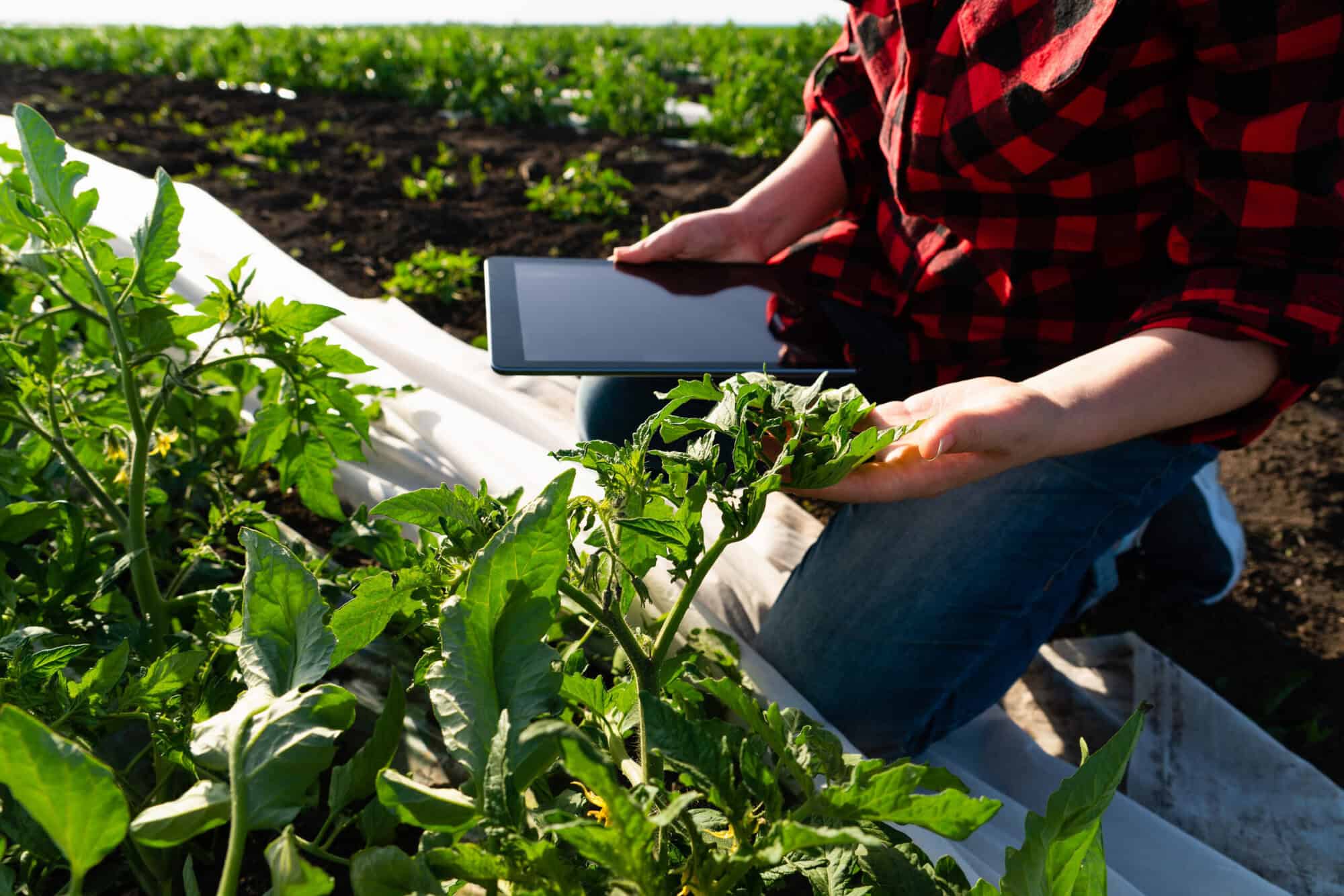
Satellite imagery, weather stations, soil moisture sensors, drones and crop monitoring tools can provide earlier information about what is happening across a paddock. Rather than treating every area the same, growers can focus attention where it is needed most.
Artificial intelligence is increasingly being used to analyse large volumes of information and identify patterns that may otherwise be missed. Importantly, these technologies do not replace crop walking, experience or agronomic advice. Their value comes from helping growers spend their time more effectively and identify issues sooner.
Precision where it matters
Precision planting, variable-rate application systems and sensor-equipped machinery are becoming increasingly common in major potato-producing regions around the world. These technologies allow operations to be adjusted according to local conditions rather than treating every paddock, or every part of a paddock, the same.
The potential benefits include:
- More accurate seed placement
- Reduced overlap and waste
- Better utilisation of fertiliser and crop protection products
- Improved irrigation efficiency
- Greater operational consistency
The fundamental objective remains straightforward: achieving more consistent crop performance while making the best use of available inputs.
Lessons from Europe
Growers who attended the recent Potatoes New Zealand study tour and Potato Europe event saw firsthand the pace of technology development occurring across Europe. Autonomous machinery, advanced optical grading systems, artificial intelligence applications and highly integrated farm management platforms are becoming more common throughout the international potato sector.
However, one consistent lesson emerged: technology still needs to pass the practical test.
A machine or software platform that performs well in Europe will only create value under commercial New Zealand growing conditions if it suits our paddock sizes, growing systems, labour availability, market requirements and support networks. Local service capability, integration with existing systems and ease of use are often just as important as the technology itself.
Connecting information across the business
The next stage of digital agriculture is likely to involve better integration of information across the production system.
Planting records, crop monitoring, irrigation, spraying, harvesting, grading and storage all generate useful information. The greatest value may come from connecting these data sources and using them to improve decisions throughout the season.
When information is linked across the business, growers gain a clearer understanding of what is driving performance, quality outcomes and profitability.
What will drive future adoption?
Not every technology will suit every operation, nor should it.
The most successful investments are likely to be technologies that:
- Address a specific business challenge.
- Integrate with existing systems.
- Produce information that can be acted on.
- Deliver measurable economic benefits.
- Have reliable local support and servicing.
Growers consistently tell us they value practical outcomes, applied research and information that can be used on farm. The same principle applies to technology. Adoption will be driven by solutions that demonstrably improve profitability, reduce risk and help growers make better decisions.
The next chapter
Grower knowledge, experience and judgement will remain at the centre of successful potato production. Technology’s role is to support those strengths by providing clearer information, greater precision and better decision-making tools.
Five questions to ask before investing in new technology
1. What problem am I trying to solve?
Start with a production or business challenge rather than a technology solution.
2. Will it improve a decision?
The best tools help improve timing, accuracy or confidence in decision making.
3. What is the likely return?
Look for evidence of savings, productivity gains, yield improvements or reduced risk.
4. Does it fit my existing operation?
Consider compatibility with current machinery, software and management systems.
5. Can my team use the information?
Technology only creates value when the information generated leads to action.