
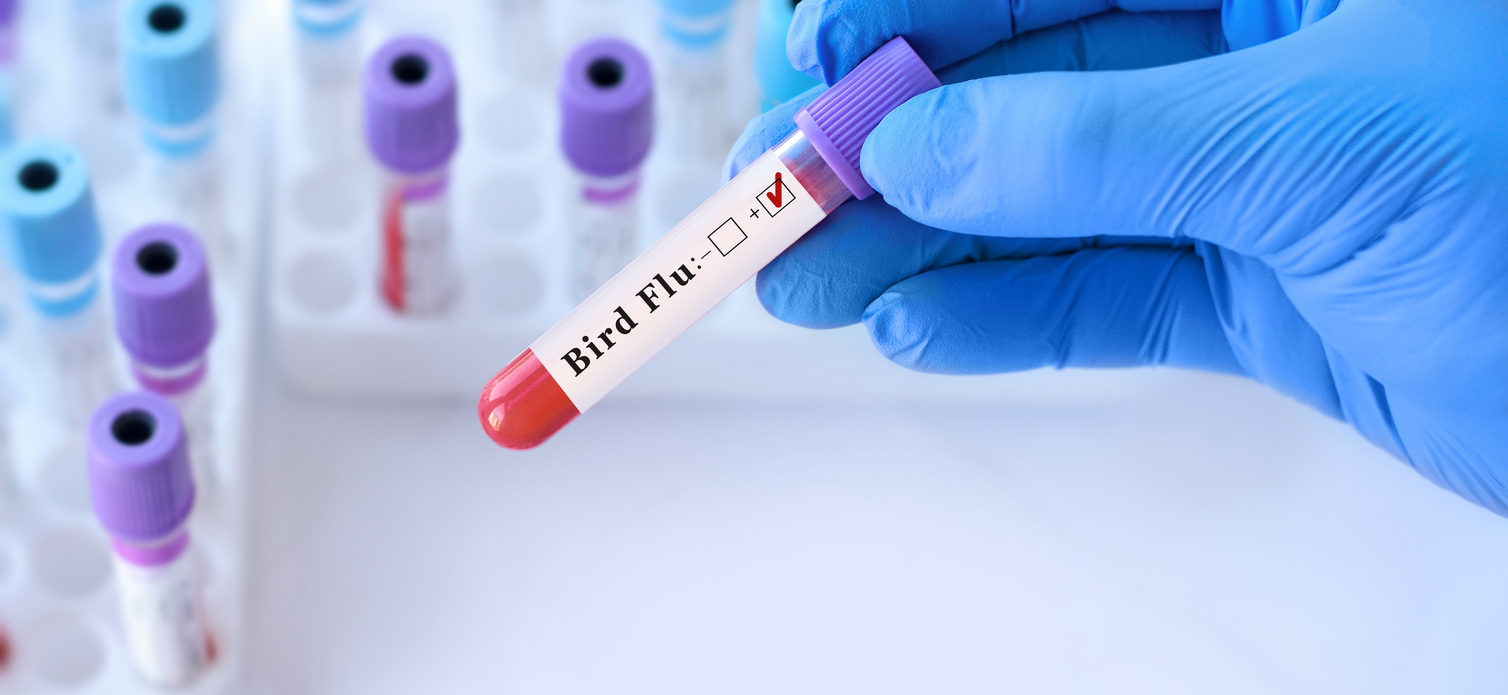
Bird flu – What you need to know
Avian influenza, also known as bird flu, is a highly contagious viral disease that mainly affects birds. However, it can also spread to mammals – including people.
There are 2 main types of avian influenza:
- High pathogenicity avian influenza (HPAI), which can cause severe signs and high death rates in birds. There are a number of strains including H5, H7, and H9.
- Low pathogenicity avian influenza (LPAI), which typically causes few or no signs in birds but can possibly mutate to HPAI.
What we need to know about HS bird flu
H5 bird flu can infect a much broader range of wild birds and spread across a larger geographical range than previous strains.
It can cause high numbers of deaths in poultry (chickens and turkeys), waterfowl (ducks, geese and swans), shorebirds (godwits, stilts and plovers), and seabirds (gulls and terns).
It has spilled over to more than 60 species of mammal, including marine mammals, companion animals, and livestock.
This strain of bird flu can spread by direct contact between infected and healthy birds, or through contamination of equipment and materials, including water and feed.
Overseas, some mammals, including dairy cattle in the United States, have been infected after contact with infected birds. With supportive care, infected cattle generally recover in 2 to 3 weeks.
In New Zealand, the risk of transmission from birds to cattle or other livestock is low. One reason for this is that our farming practices are very different from the US. However, we encourage all farmers to practice good on-farm biosecurity.
Reporting bird flu
If you see 3 or more sick or dead wild birds in a group, report it immediately to the exotic pest and disease hotline on 0800 80 99 66 from anywhere in New Zealand, or online. If you report online, select the ‘dead or dying wild birds’ option from the dropdown list and then the type of bird you have found.
Don’t handle or move the birds.
Provide as much detail as you can, including:
- common name or species of sick or dead bird if known
- how many are sick or freshly dead, and the total number of birds present
- a GPS reading or other precise location information
- photographs and videos of sick and dead birds
- MPI will contact notifiers if more information is required.
How to report suspected bird flu – Fact sheet [PDF, 235 KB]
Dead birds
It is best to leave dead birds to decompose naturally, including on private land. However, there may be some situations where you, as a landowner or manager, need to take action. Consider the questions below to help decide if dead birds need to be moved and disposed of:
- Are they located in an area where people may pick them up?
- Is there a risk that pets, livestock, or other animals could interact with the dead birds?
- How many birds are there? Large numbers of animal carcasses can contaminate ground and surface waters.
- Are the birds in an area which may risk further disease spread (e.g. near a bird colony or public access area)?
- Do you have personal protective equipment?
Handling advice
If you do need to take action to move sick or dead birds, we recommend that you follow these steps:
- Wear PPE such as gloves and eye protection. If you can’t wear PPE, then do not touch sick or dead birds.
- Sick birds can be picked up placing a towel over the top of them and scooping them up and placing them in a ventilated cardboard box (for example, a cardboard box with breathing holes in the top and sides).
- Wear clothing that will stop you being injured by scratches or bites (such as trousers and long sleeves).
- Keep birds outside – avoid bringing birds into your house or an enclosed space.
- If you need to take the bird in a vehicle, keep it as far away from you as possible. Wear a mask while driving and keep the windows open while you travel.
- With dead birds, use a tool such as a shovel or spade to pick them up rather than handling them directly.
After handling a sick or dead bird you will need to:
- Wash your clothing and any other protective equipment used with detergent. If possible, dry your clothes on a high heat.
- Dispose of gloves and any other disposable items that may have been contaminated by the bird by putting them in a plastic bag (and not letting the items touch the outside of the bag), tying or sealing the bag and then placing it in your outdoor rubbish bin.
- Wash your hands thoroughly with soap and water.
- Clean any surfaces that may have been contaminated by the bird using disinfectant cleaning products or disinfectant wipes. Household disinfectant (e.g. bleach) is appropriate.