Top quality seed potatoes
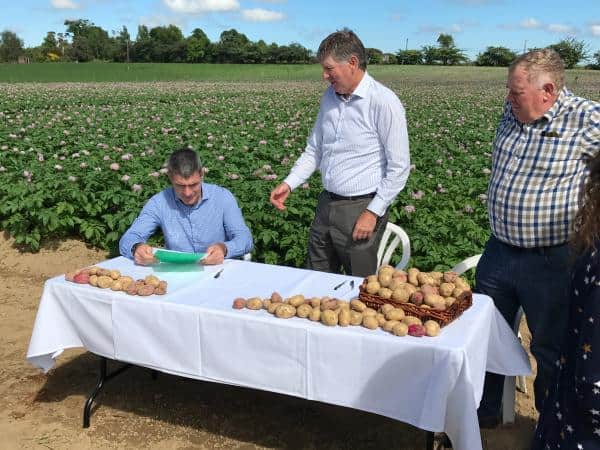
Last month Potatoes New Zealand hosted the annual New Zealand Certified Seed Potato Grower meeting in Methven. I want to acknowledge the vital work of our seed potato growers, who supply the high quality, certified planting material that underpins the entire potato industry while managing significant on-farm challenges.
The meeting offered a forum to share the latest seasonal results and industry updates, to discuss seed challenges, and to hear growers’ questions and priorities for the season ahead. These conversations reinforce how essential reliable certified seed is to production, yield and biosecurity across New Zealand.
The Canterbury Connection
Approximately 95 percent of New Zealand’s seed potato production takes place in the Canterbury region, from where seed is distributed nationwide. This concentration reflects the region’s favourable growing conditions and shifting economic factors over recent decades.
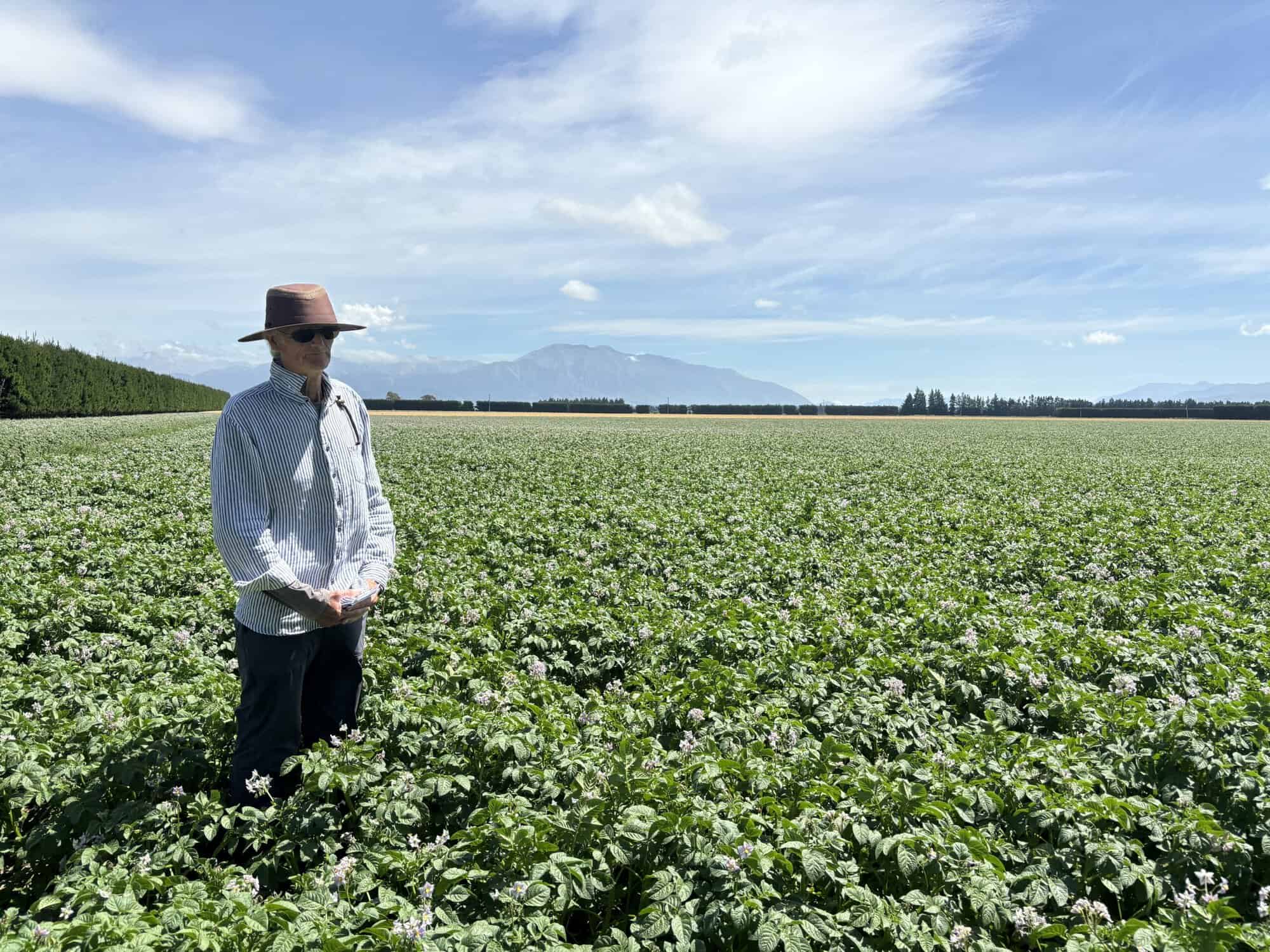
The Canterbury plains topography allows for large flat production sites ideally suited to mechanised seed production; from planting and harvesting, to spraying and irrigating. Canterbury’s climate and temperature with relatively low rainfall during the growing season supports consistent crop development while fertile alluvial soils provide deep, well drained profiles ideal for tuber growth and disease management. The colder South Island winters help to control the pest population between growing seasons.
Certification, history and in‑house improvements
The New Zealand Seed Potato Certification Scheme, established in 1948, provides growers with assurance that seed lines meet strict quality standards. It is managed by the New Zealand Seed Potato Certification Authority, a sub-committee of the Potatoes New Zealand Board that includes representation from seed growers, commercial growers, seed companies and process companies. The scheme is benchmarked to United Nations Economic Commission for Europe (UNECE) seed standards which New Zealand joined in 2014.
In 2021 Potatoes New Zealand brought day-to-day management of the scheme in‑house. That change has improved traceability, data management and programme efficiency.
Shortly, seed potato field inspections begin for this season. Potatoes New Zealand’s specialised inspectors visually examine crops in the field, looking for any growth that is irregular, shows symptoms of stress or disease, plants not consistent with variety, and other crop issues. Later in the season tubers are inspected after harvest, checking for signs of disease, maintaining crop hygiene and ensuring seed line segregation.
BELIS, Potatoes New Zealand’s dedicated database, was developed to improve the recording of seed potato certification activities and the traceability of seed lines. This move has been successful, ensuring close communication and focus on continuously improving and streamlining the scheme, whilst supporting industry to remain world-leading in quality and yields.
Rising to modern challenges
One significant challenge is staying on top of the nuances of an increasing number of potato varieties available in New Zealand. Many new potato varieties are imported from around the world. Evaluating variety performance for New Zealand’s climate and markets is often a slow, trial-based process that can take many years. This work is carried out by seed merchants and carries a heavy risk as a low percentage of varieties are taken through to commercial growers.
Risk management of pests and disease, including bacteria, fungi, and viruses in seed potatoes remains another major challenge because seed‑borne infections can reduce tuber quality and yields. The scheme’s protocols respond to these risks: generation 2 lines undergo mandatory leaf virus testing, every seed generation receives at least two crop inspections for viruses, varietal purity and other defects, and tuber inspections occur whenever seed line ownership changes. Seed potato growing relies heavily on clean land to ensure seed lines are not impacted by soil borne pests and disease such as Potato Cyst Nemotode. Access to both land and water continues to be a challenge and cost for growers.
The industry led and managed certification scheme demonstrates the collaboration between seed merchants, seed potato growers, and fresh and process growers. Together we recognise the value of managing these risks for our world-leading potato industry. Bringing the management of the Seed Potato Scheme in-house at Potatoes New Zealand has strengthened our ability to protect the industry and give potato growers confidence in the quality of their purchased seed potatoes.
I’m proud of the daily work our seed potato industry does to maintain these exceptional standards.
Kate Trufitt
Potatoes New Zealand CEO