James Bowan – “Born into potatoes”
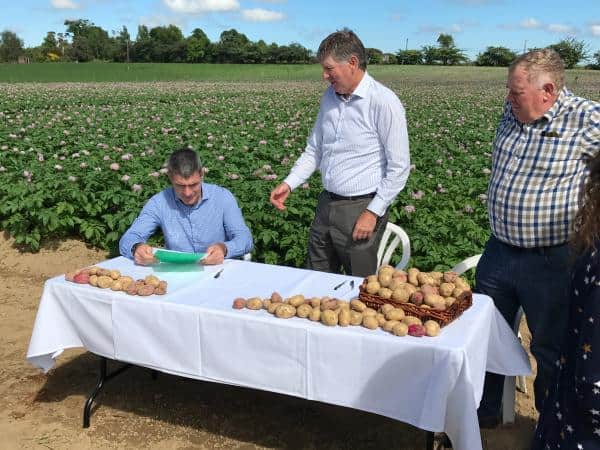
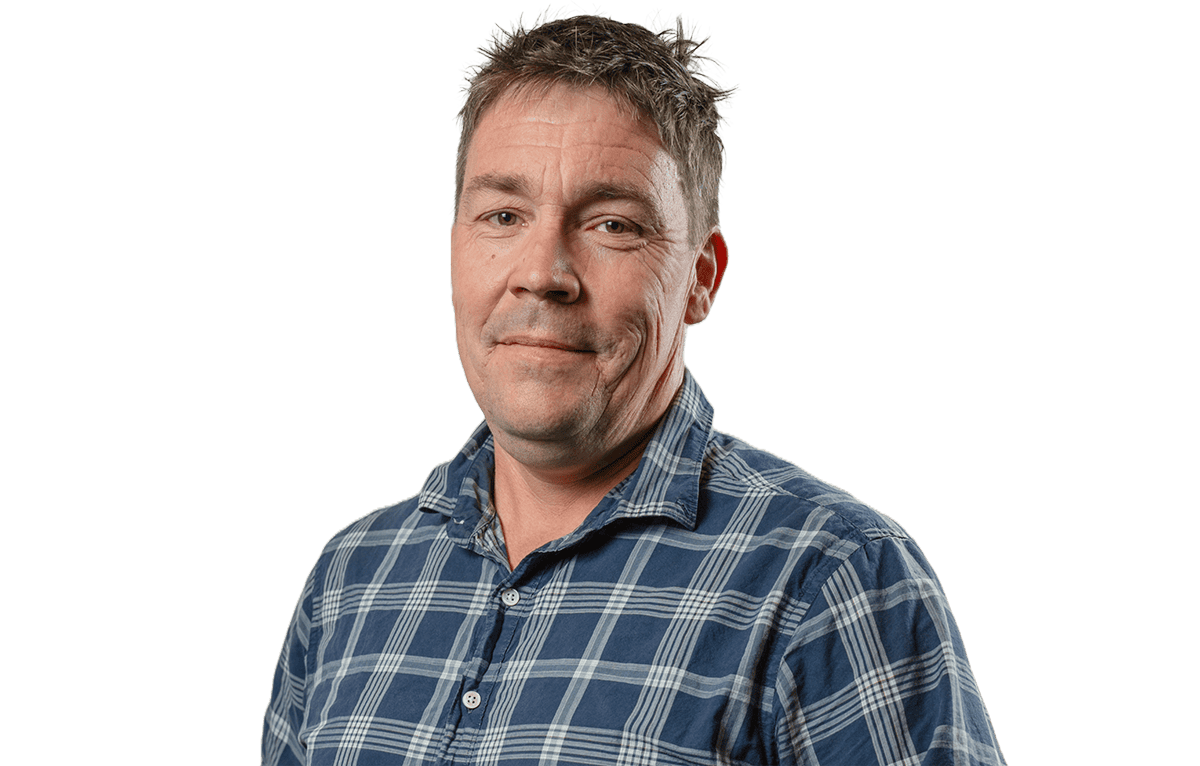
James Bowan was “born into potatoes”, growing up on Fallgate Farm near Orari. South Canterbury, which his parents Raymond and Adrienne bought in 1975.
James, who now manages the growing side of the operation, spanning just over 1,400 hectares, inherited Raymond’s passion for potatoes and that’s passed on to the next generation too.
“I used to sell bags of early potatoes by our mailbox,” he says. “Now my three children, Archie, Maisy and Greta do that too, only now they sell sacks of them through social media.
“They love it. They have found that hard work brings rewards and if they dig them, sort them, bag them and sell them, then that’s their Christmas or summer holiday money in their back pocket.
“Archie, who is 16 and the eldest, would join the business tomorrow if he could, but I’ve suggested he stay on at school and get a trade first.”
Raymond is still fully involved with the farm, where they also grow cereal, grass and speciality seed crops and process peas.
He was raised on a dairy farm but got hooked on potatoes in his teens, picking them by hand for a neighbour in his school holidays. When he left school, he went to work for a potato farmer.
“Dad found a spot that was good for growing potatoes and initially went into growing them with his two brothers,” says James.
“They both went back to dairying, but Dad had that passion for potatoes and this is the 50th year of our family growing them here on the home farm.”
Despite that anniversary of putting down roots in the Canterbury soil, the Bowan family is very much looking to the future – and that’s always been the case.
They have 250ha in potatoes, split between varieties for crisping for potato chips, and for processing for French fries.
In 2009, when the Bluebird company which the farm supplied decided to move its operations to Auckland, Raymond and wife Adrienne bought the empty factory building – at Washdyke, 30km from their farm, and fitted it out to launch the Heartland Potato Chips company.
“Mum and dad did a very good thing to establish the factory,” says James.
“Heartland potato chips, farmer-owned from paddock to the packet, are now available countrywide and my sister Charlotte is general manager of that side of the business.
“My wife Jess doesn’t work directly in the company, but she provides a lot of support behind the scenes.”
Along with having ‘potatoes in his blood’, James says there must be some diesel too.
“I love big machinery and there is a lot of that involved. I think the greatest opportunity for our sector is the advance in technology.
“The smart technology we have now is amazing. We have AI graders to sort the potatoes, so the quality of our product going to the factories has gone through the roof.
“It is also much better for health and safety to not have people working on big machinery. I think the technology we have tapped so far has just been the tip of the iceberg.
“I’ve recently been in Europe to look at technology. We need to be looking at what’s available and planning for the future.”
The biggest challenges James sees for the sector are the increase in the regulatory environment, and the difficulty in recruiting skilled staff.
“The additional requirements take up so much manpower – and we can recruit people but recruiting skilled people is really difficult.”
Then, there’s the weather. While James says that while they find potatoes the most interesting and satisfying vegetable to grow, conditions play a big part on the outcome of each season’s yield. The past year, with a long dry spell followed by excessive rainfall, has been hard on growers in the region.
“In Canterbury, we have the benefit of being able to access irrigation, which helps manage risk around the weather but it’s still been a horrible year.
“There’s a lot that goes into growing potatoes. I really enjoy seeing the tubers being set, seeing them growing and harvesting them but it is all a delicate operation – getting the soil and the nutrients right.
“Once the tuber is set, the need for water goes up. There was rain this year but not good sun at that time for photosynthesis. Then, harvesting is a delicate operation where we can’t bruise or mark the potatoes.”
Currently, despite the many varieties of potatoes available, James feels most consumers still tend to view potatoes as ‘the humble spud’.
However, he does see opportunities for higher value consumer propositions in the future and feels educating consumers about the nutrient value and the exceptional versatility of potatoes is important.
He also thinks it’s important to address long-standing perceptions about the carbohydrate content and increase awareness of the value of potatoes as part of a balanced diet, as an important source of nutrients including potassium, Vitamin C, and Vitamin B6, as well as dietary fibre.
“Potatoes aren’t difficult to cook – you don’t even have to peel them, some of the best roast potatoes are cooked with their skins. Unless you want mash, it’s hard to beat a dollop of creamy mashed potato with butter and a little milk.”
He’d also like to see more awareness raising about the best type of potatoes for different cooking purposes and for storing.
“It is about finding the right characteristics, and we have been very fortunate to source some very good varieties.
“A potato is not just a potato. There are some early maturing ones which build up their solid content early and are good for just rubbing their skin off and cooking right away
“Then there are some that are slower to mature, you can store them and months later they still look very good.
“People tend to think you can put any potato in a dark room at a steady eight or nine degrees but that doesn’t suit them all.
“Some potatoes will have high sugar content and those are not good for frying or crisping. Others might turn to mush in the pot but be good for crisping.”
James has served on the board of Potatoes New Zealand for the past three years and is just starting another three-year term.
He would like to see more people taking the step into governance or leadership roles in the sector.
“I know it isn’t for everyone. I felt it was time to start ‘giving back’ and I thought hard about if I could add value. The great thing about the Potatoes New Zealand Board is that everyone brings different strengths to it.”