Getting storage right
Storage technology continues to advance rapidly overseas, with growers investing in increasingly sophisticated systems to improve quality and consistency. Globally storage is becoming a core part of the production system, with a strong focus on climate control, airflow, and maintaining product quality over longer periods.
While storage duration across the New Zealand potato industry can be dependent on the final use of the crop, interest in advanced storage technologies continues to increase. As expectations around quality and consistency increase, so too does the opportunity to use storage as a tool to deliver better outcomes.
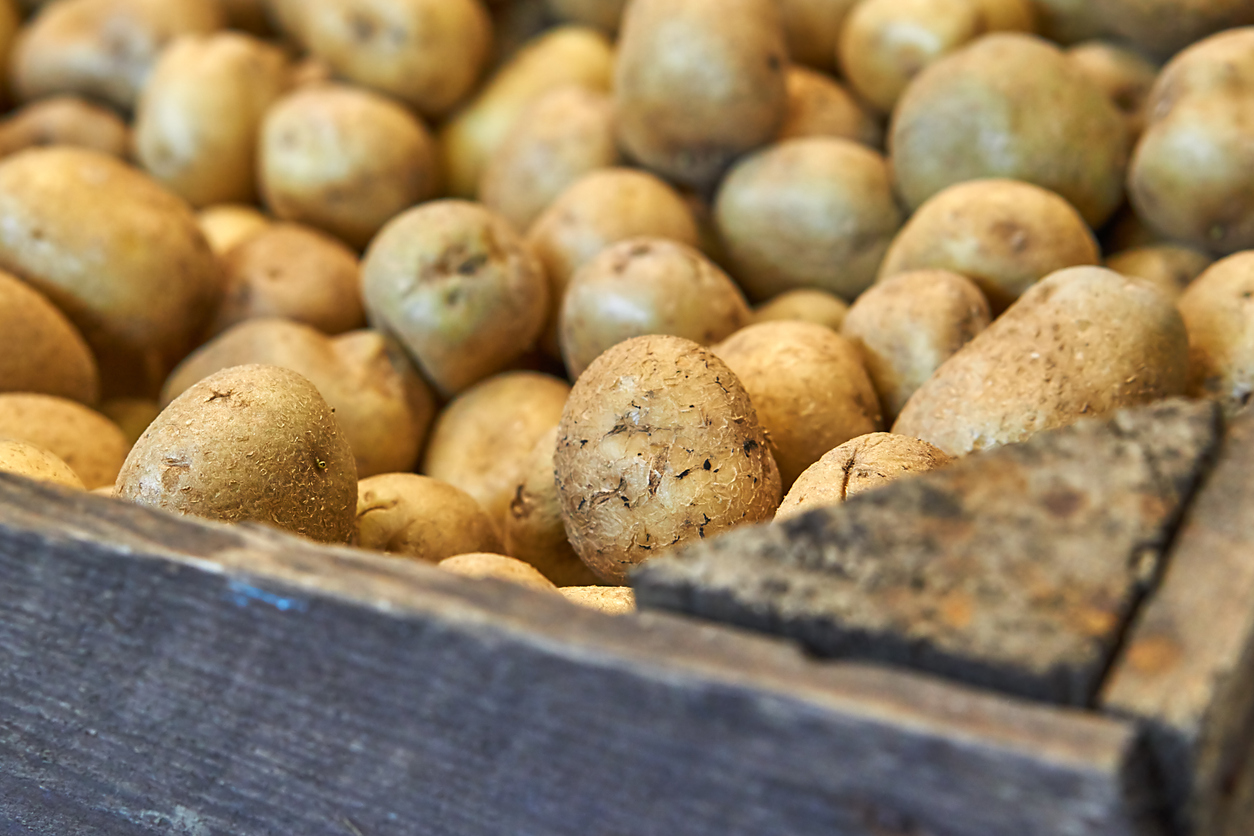
However, as advances in storage continue, one point remains unchanged: storage can only maintain what goes into it.
It starts in the paddock
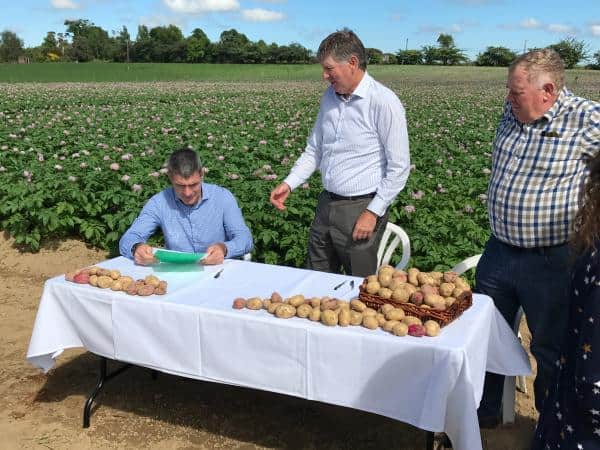
That was the clear message from University of Idaho Professor Nora Olsen when she spoke at the recent PotatoLink workshop in Australia. Her advice to growers was simple—storage is not a fix.
“You can’t fix a sick potato in storage,” she said. “You can only maintain what you put in.”
The implication is clear. Decisions made in the paddock, particularly in the final weeks before harvest, have a direct impact on storage outcomes.
Maintaining soil moisture leading into harvest can influence tuber condition, although this is not always straightforward in practice. Nutrition also plays an important role. Excess nitrogen late in the season can delay maturity and increase the risk of damage, while adequate calcium supports stronger tubers and reduces susceptibility to bruising.
Even harvest timing matters. Colder tubers are more prone to damage, meaning conditions throughout the day can influence risk.
Put simply, the foundations for successful storage are set well before the crop leaves the paddock.
Handling the crop with care
Once harvesting begins, how the crop is handled becomes just as important.
For growers using more mechanised systems, whether packing into boxes or directly into store, factors such as conveyor speed, drop heights, and impact points can significantly influence damage levels. Practical adjustments to growers systems —such as moderating flow, reducing drops, and identifying high-impact areas—can help protect tubers from unnecessary stress.
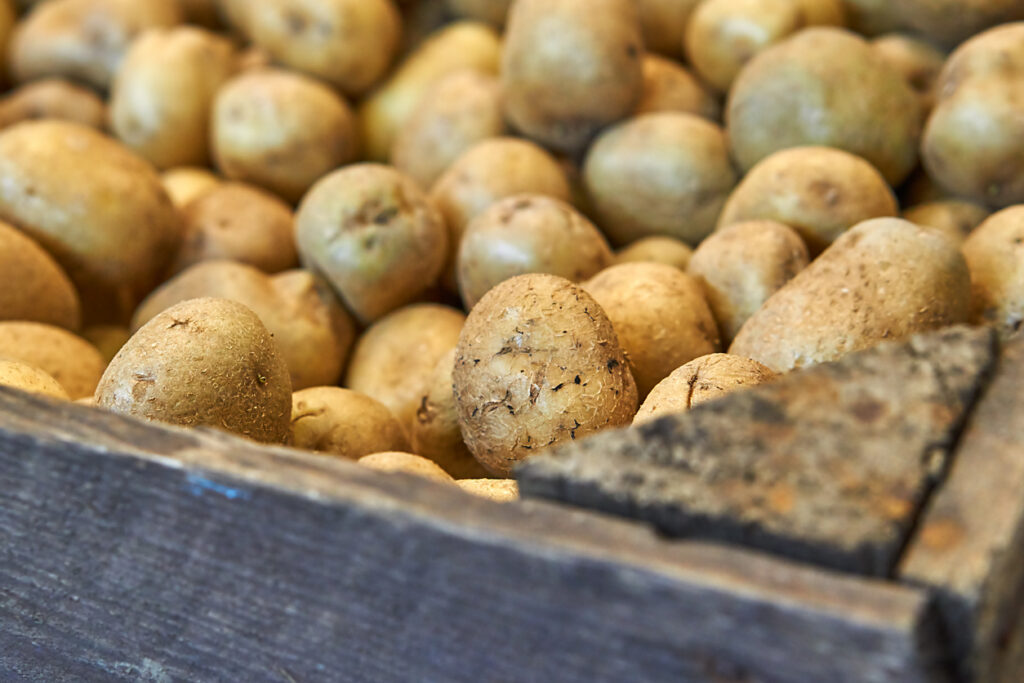
At the same time, not all operations use highly mechanised packing or storage systems. Whether handling is manual or mechanised, the principle remains the same: minimising impact and handling stress is critical to maintaining quality.
Research presented by Professor Olsen highlighted the consequences of damage. Bruised tubers are far more likely to develop storage diseases, with losses compounding over time through shrinkage, decay, and reduced marketability.
A growing focus on storage systems
While paddock and harvest practices are fundamental, storage technology itself is evolving.
Maarten van Delden from Tolsma Australia, the local branch of the Dutch storage technology giant Tolsma-Grisnich, notes that storage has long been a major focus in Europe, where longer storage periods drive the need for more advanced systems. In contrast, New Zealand and Australia have historically had less demand, due to shorter storage windows and a wider range of growing conditions.
However, that is beginning to change. Growers are increasingly looking beyond basic cool stores to better understand:
- Airflow and ventilation
- Humidity management
- Skin set and curing
- The difference between room temperature and product temperature
Maarten explains that these factors all contribute to maintaining quality over time.
The Potato Seed Cooperative in Ashburton provides a strong New Zealand example, where investment in modern storage systems has delivered improvements in both yield and consistency.
Investing for the future
Another consideration for growers is the future of refrigerants used in cool storage.
Synthetic refrigerants with high global warming potential are coming under increasing regulatory pressure. In New Zealand, this is driving a shift towards alternative systems, including natural refrigerants such as propane.
These changes are influencing how growers think about new investment, particularly when planning for long term infrastructure.
There are parallels here with other sectors. The kiwifruit industry, for example, has made sustained investment in post harvest infrastructure and innovation to maintain quality and maximise returns. Increasingly, similar thinking is being applied within the potato industry.
Getting the system right
What emerges is a clear pattern—storage success is not about one decision or one piece of technology. It is about the whole system working together.
- Paddock management sets the foundation
- Harvest timing and handling protect quality
- Storage systems maintain and manage the product
As Nora Olsen put it, the focus should be on “managing what is manageable.”
For New Zealand growers, that means recognising that while storage technology is advancing, the fundamentals remain the same.
The better the crop goes into storage, the better the outcome coming out.