International Women’s Day – Miriam Hall
Potatoes New Zealand connects with various women in the industry as part of International Women’s Day and International Year of the Woman Farmer to discover the amazing work they do in the sector.
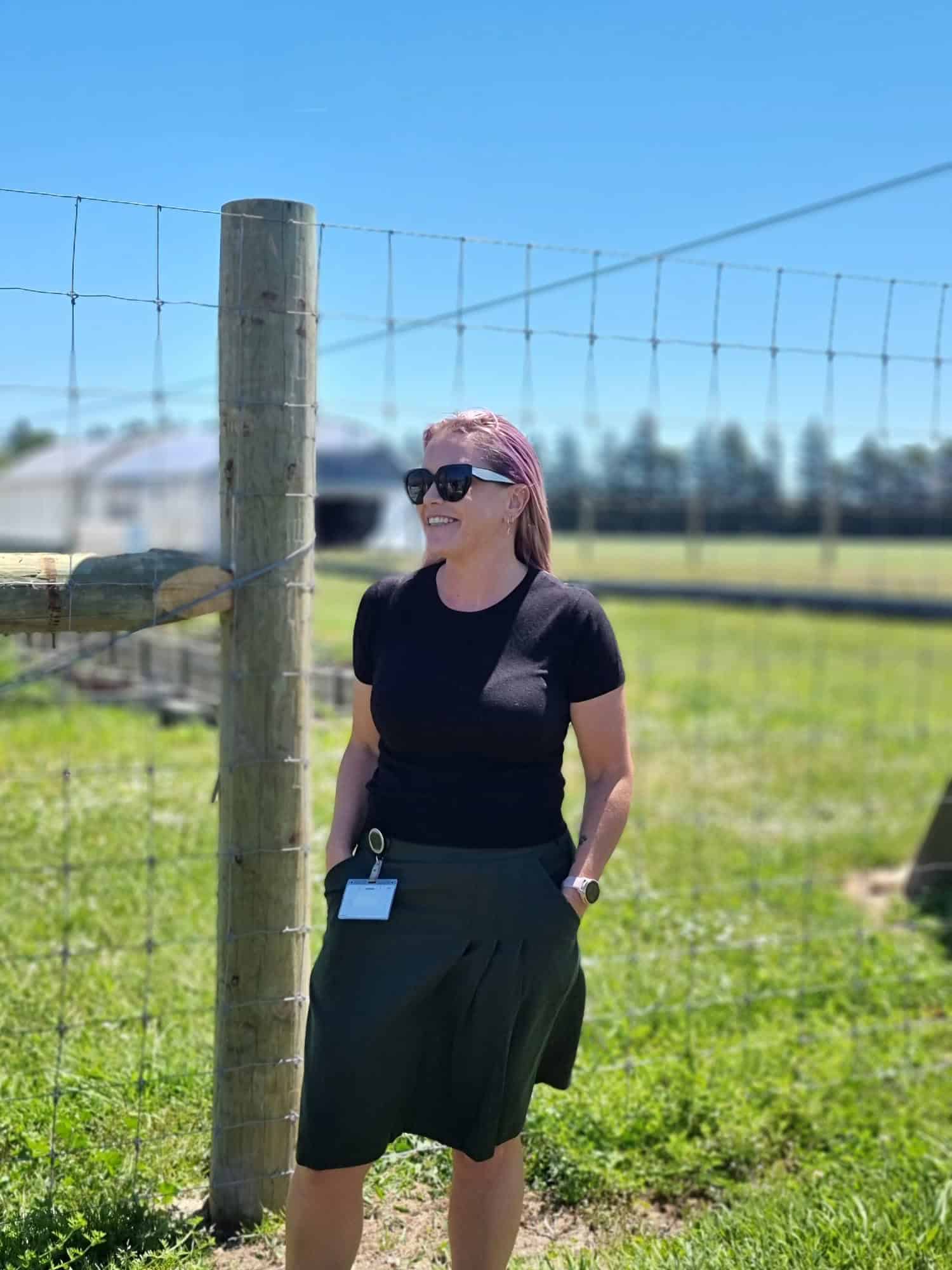
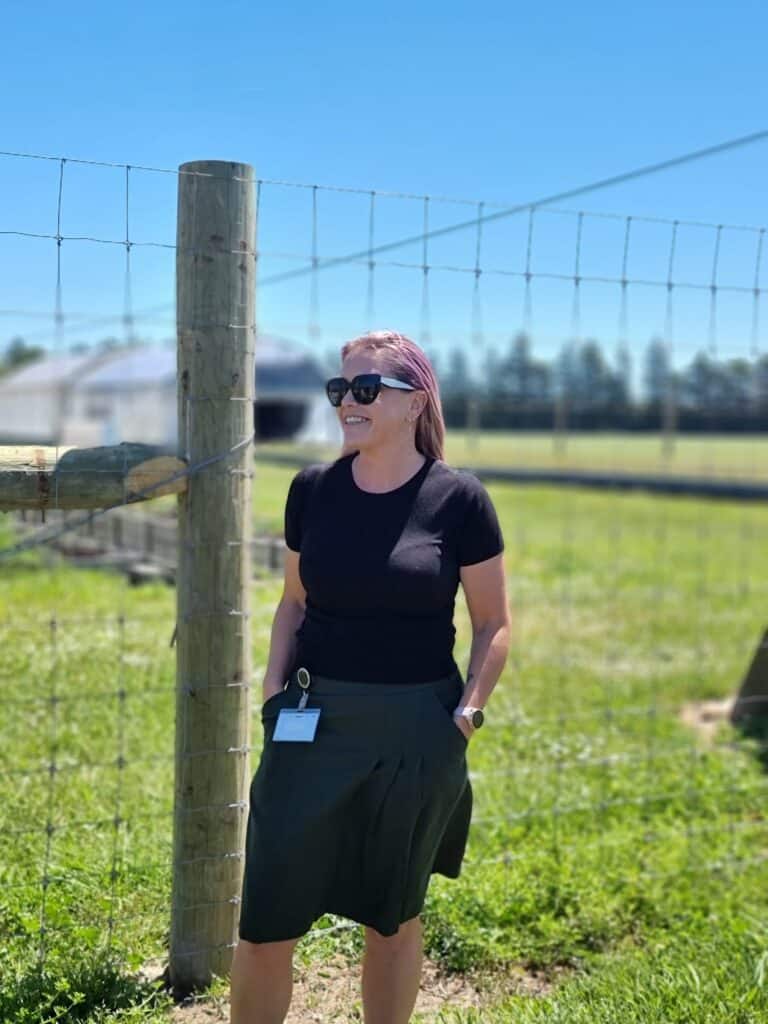
Name: Miriam Hall
Company: Bioeconomy Science Ltd
What do you do in your current role?
I interface between our partners and our researchers, I look after our strategic work with Horticulture New Zealand, Hort Innovation Australia and the vegetable industry. I work closely with growers, industry partners, and research teams to ensure we’re delivering high‑quality outcomes. A big part of my role is relationship‑building—bringing people together, solving problems collaboratively, and helping the industry move forward with practical, sustainable solutions.
What do you enjoy about your role?
I love that my role is dynamic and diverse. Every day brings a new challenge, and I love that my work has a tangible impact—from supporting growers to improving processes that benefit the entire sector.
How long have you been with your organisation?
I started in the horticultural industry 18 years ago, first as a Postharvest Researcher, before retraining and moving into a business role.
How do you find working in the potato/primary industries?
The potato industry is full of hardworking innovative people with a strong sense of community. We have a great collaborative relationship with Potatoes New Zealand and working together to develop solutions means we can make a real difference for growers.
Have you encountered any specific challenges?
The timelines of research outputs and grower needs are not always aligned, sometimes we deliver solutions that sit on a shelf until they are needed and sometimes, we are racing to help with urgent issues. A sound research strategy, with those key issues mapped out alongside the required research, can alleviate this and is a joint goal of Potatoes New Zealand and the Bioeconomy Science Institute.
Can you name a standout moment in your life?
When I was a junior researcher I was offered the opportunity to present at the Horticulture New Zealand Conference as our company’s representative. It was terrifying! But saying ‘yes’ pushed me outside of my comfort zone and helped me develop my public speaking skills.
What does your organisation do for inclusion and diversity?
Our people are our greatest assets, and the diversity at the Bioeconomy Science Institute is critical for generating new ideas and solutions. We have some fantastic programmes, one that I benefitted from was the Margaret Hogg-Stec Scholarship, this fund is focused on developing women’s leadership skills and allowed me to grow my networks and knowledge at UC Davis early in my career.
Who inspires you?
Dr Stuart Davis, he was a fantastic mentor to me and I always think ‘what would Stuart do’. He was critical, fair and generous and I was very lucky to have his support in my career.
What do you wish you had known before you started in your profession?
You can’t make everyone happy, so always try to have good reasons for the decisions you make.
What would you tell other women interested in working in the potato industry?
The potato industry is dynamic and evolving fast, there can be diverse career opportunities that suit you and your skill set – it’s about finding that sweet spot so you can happy a fulfilling career.
International Women’s Day is a global day celebrating the social, economic, cultural and political achievements of women. The day also marks a call to action for accelerating gender parity. Significant activity is witnessed worldwide as groups come together to celebrate women’s achievements or rally for women’s equality. #AccelerateAction
Find out more www.internationalwomensday.com
The United Nations declared 2026 the International Year of the Woman Farmer (IYWF 2026). The Year will spotlight the essential roles women play across agrifood systems, from production to trade, while often going unrecognized. Women farmers are central to food security, nutrition and economic resilience. IYWF 2026 will raise awareness and promote actions to close the gender gaps and improve women’s livelihoods worldwide.
Find out more www.fao.org/woman-farmer-2026/en