Sowing the Seeds
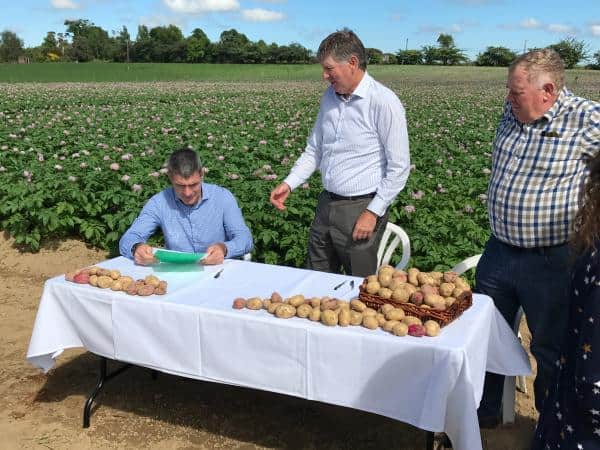
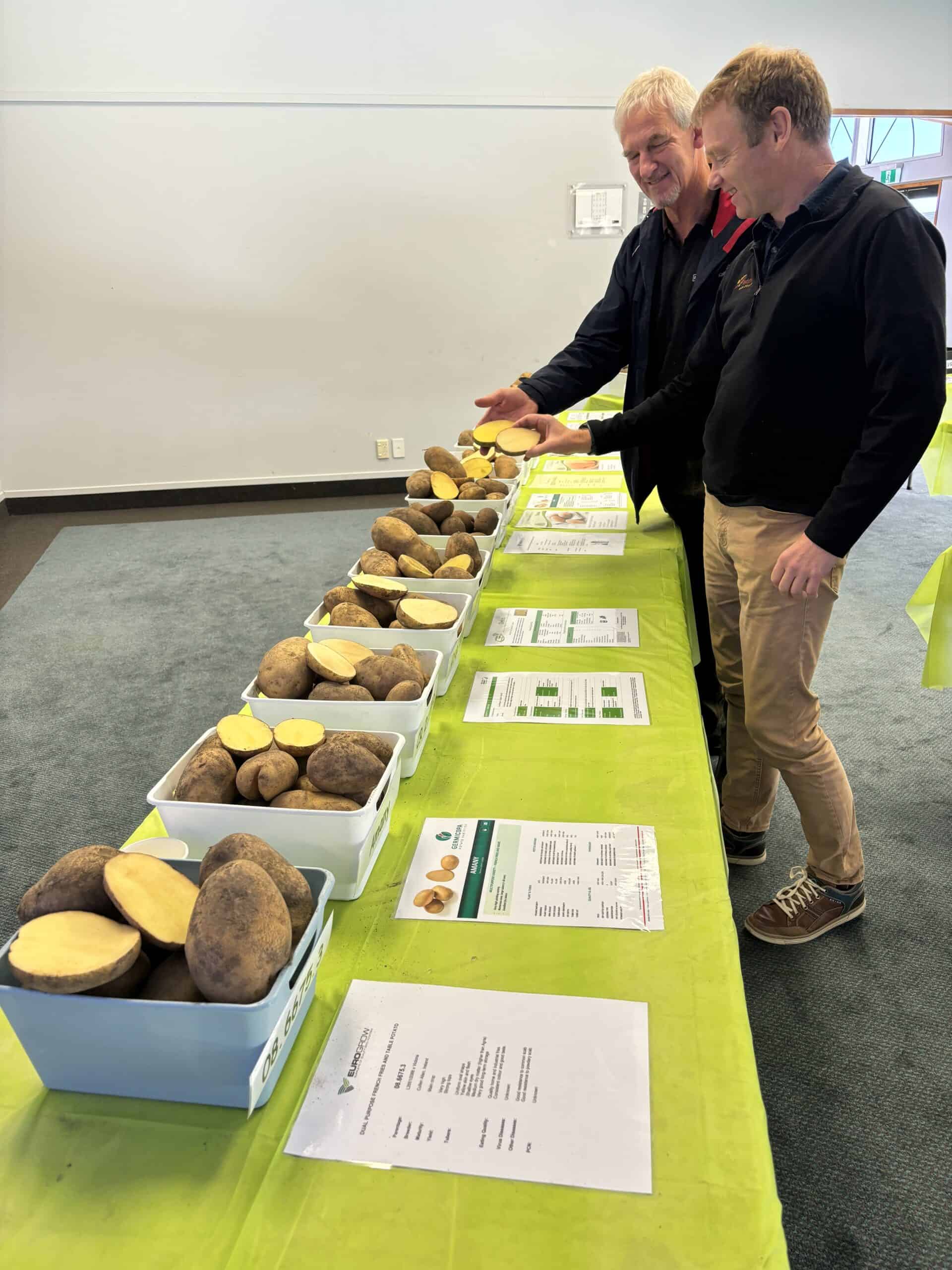
In the New Zealand potato industry, we are continuously updating and improving potato genetic resources available in order to improve productivity, quality and opportunities. New varieties are frequently being imported and trailed to determine potato varieties best suited for the New Zealand climate conditions, soil types and market requirements.
SASA and imported potato varieties
New Zealand’s Ministry for Primary Industries has an Offshore Accreditation Agreement with the SASA (Scientific Advice for Scottish Agriculture) who hold a nuclear stock potato collection, so that potato varieties in tissue culture can be imported into New Zealand without going through post entry quarantine. This allows the potato seed companies such as Eurogrow and Alex McDonalds to import new varieties from their affiliated potato breeding companies, primarily based in Europe.
The importation of new varieties is a long and expensive operation. Seed potato companies invest significant funds in this importation process. They select varieties which they believe will meet market requirements in the future.
It takes over 6 years before a new potato variety can work its way through testing and then through the seed production pipeline before it can be sold to the commercial industry. Only one in nine of the imported potatoes varieties will ever make it to market.
New Zealand Certified Seed Potato Scheme
Once imported, new potato varieties are sent to one of the four Potatoes New Zealand Accredited tissue culture laboratories for multiplication. These laboratories then supply one of four Accredited Minituber Production Facilities, who produce the starting material that can enter the New Zealand Certified Seed Production Programme.
The New Zealand Certified Seed Potato Scheme is run by Potatoes New Zealand and is managed by a committee made up of two seed growers two commercial growers, two seed company representatives and two process company representatives. This seed authority sets the seed scheme rules and oversees the entire certification process.
UNECE – Seed Potato Standards
The New Zealand Certified Seed Scheme is benchmarked against the United Nations Economic Commission for Europe (UNECE) – Seed Certification standards, which have become the internationally accepted standard for the trade of seed potatoes. New Zealand has been a member of this organisation since 2014 and has been instrumental in developing these standards. This organisation meets annually to review and update the rules and promote the use of certification schemes around the world.
The UNECE – seed potato committee also plays an important role in highlighting issues facing the member countries including pest and disease outbreaks that might threaten certified seed potato schemes. They can alert member countries of biosecurity threats allowing members to prepare for an incursion and to develop biosecurity readiness plans.
In addition, the committee addresses some of the challenges that face the seed potato certification schemes globally. An example of such a challenge is the use of True Potato Seed, an emerging technology, which uses true seed (sexually reproduced) for the multiplication of potatoes instead of the vegetative system of potato tubers which is currently used. The committee will need to draft a new set of rules to cover this production process.
Potatoes New Zealand continues to collaborate with many key stakeholders to ensure Aotearoa has a robust framework in place for potato varieties to support the ongoing success and sustainability of the potato industry.