Canterbury Potato Liberibacter Initiative (CPLI)
Funded by: CPLI.
Project Status: Current
Date of latest update: 9th January 2026
Project Overview
Canterbury Potato Liberibacter Initiative (CPLI), is a project created and funded by a committee of Canterbury growers and processors, with in-kind support from Potatoes New Zealand.
CPLI was formed in August 2021 by like-minded farmers and industry representatives to combat the devastating impact of the Liberibacter (Lso) bacterium which causes Zebra-chip in potato crops.
The issue is very clear and although the control measures and agronomy of Tomato Potato Psyllid (TPP) has made improvements, the incidence of Zebra Chip in the processing crop has increased and detection levels in potato fields have remained high.
It’s clear that current strategies and chemical programs are not solving or reducing the Zebra-chip impact for growers, seed growers and processors. The CPLI committee all agree there is a major knowledge gap with Lso. Although TPP is the carrier of Lso, Lso is affecting the quality of our potato crop.
Download our CPLI programme roadmap
CPLI Programme summary
12 Projects
PNZ-84 CPLI-1 Contact resistance COMPLETED CPLI-1 Contact Insecticide March 2022 FINAL
PNZ-84 CPLI-2 Systemic Resistance COMPLETED Report available upon request only.
PNZ-84 CPLI-3 Biological Control COMPLETED
PNZ-84 CPLI-4 Systemic acquired resistance COMPLETED Report available upon request only.
PNZ-84 CPLI-5 TPP Lure & traps COMPLETED
PNZ-84 CPLI-6 Calcium propionate COMPLETED
PNZ-84 CPLI-7 Border plantings COMPLETED
PNZ-84 CPLI-8 Bioassay COMPLETED FINAL REPORT Honours dissertation 2022_Liberibacter_Charan
PNZ-84 CPLI-9 Boxthorn removal COMPLETED
PNZ-84 CPLI-10 Biocontrol release COMPLETED
PNZ-84 CPLI-11 Psyllid trapping and gut content analysis COMPLETED
PNZ-84 CPLI-12 Integrated Pest Management in potatoes ONGOING
Read more about the projects in the latest newsletter below.
Communications
- This is an overview guide for Canterbury to which will be able to compare data with your own field sticky trap numbers, to see where your crops sit in comparison.
- Degree Day graphs can be found here.
Presentations
CPLI June 2022 Presentation from Lincoln Researcher Bioassay Charan Sivakumar-compressed
CPLI June 2022 Presentation from Lincoln Researcher TPP IPM – Koay Ping Ying
CPLI June 2022 Presentation from Lincoln Researcher TPP Host plants – Clive Kaiser
CPLI June 2022 Presentation from Lincoln Researcher Lure attractants – Kate Braidwood
CPLI June 2022 Presentation from Lincoln Researcher Biocontrol Agents – Emiliano Veronesi
Newsletters
CPLI Newsletter – January 2026 CPLI Newsletter – January 2026
CPLI Newsletter No.4 CPLI Newsletter No.4 Dec-2022
CPLI Newsletter No.3 FINAL CPLI Newsletter No. 3 Mar-2022
CPLI Newsletter No.2 CPLI Newsletter No.2 Dec-2021
CPLI Newsletter No.1 CPLI Newsletter No.1 Oct-2021
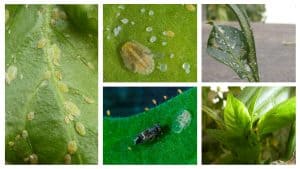
Images from PFR