New Bio-Security poster
Biosecurity on the Farm.
A useful reminder for potential vectors of pests and diseases on your farm.
Display in your staff room or office, clearly visible to visitors and crew.

Biosecurity on the Farm.
A useful reminder for potential vectors of pests and diseases on your farm.
Display in your staff room or office, clearly visible to visitors and crew.
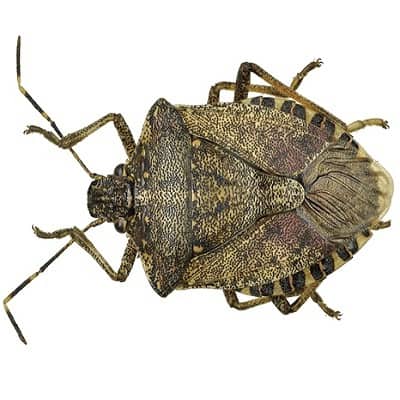
The Ministry for Primary Industries is on high alert to stop the invasive Brown Marmorated Stink Bug (BMSB) from making a home in New Zealand. “The stink bug season for us runs from September to April – the autumn and winter months in the northern hemisphere. That’s when the bug starts aggregating in dark sheltered places, including…
The main goal under the Government Industry Agreement for Biosecurity Readiness and Response (GIA) is to keep new pests out of New Zealand. We want to be prepared for any new pests by creating a second line of defence i.e. growers and stakeholders looking for things that are out of the ordinary. Part of our…

Download Residue Compliance Information book >> This compliance information is intended to benefit both domestic and export growers by ensuring easily accessible (and current) MRL (maximum residue limit) and WHP (with-holding period) information is available. The compliance information will help reduce the possibility of residue non-compliance due to lack of information. These guidelines also indicate…
Europe 2005 In 2005/2006, a growing number of cases of potato blackleg/top wilt in Northern Europe and Israel were found to be caused by a previously unrecognised Dickeya sp. frequently referred to as Dickeya sp. biovar 3, now known as D. solani. Dickeya solani is a bacterial pathogen of potato thought to have crossed from…
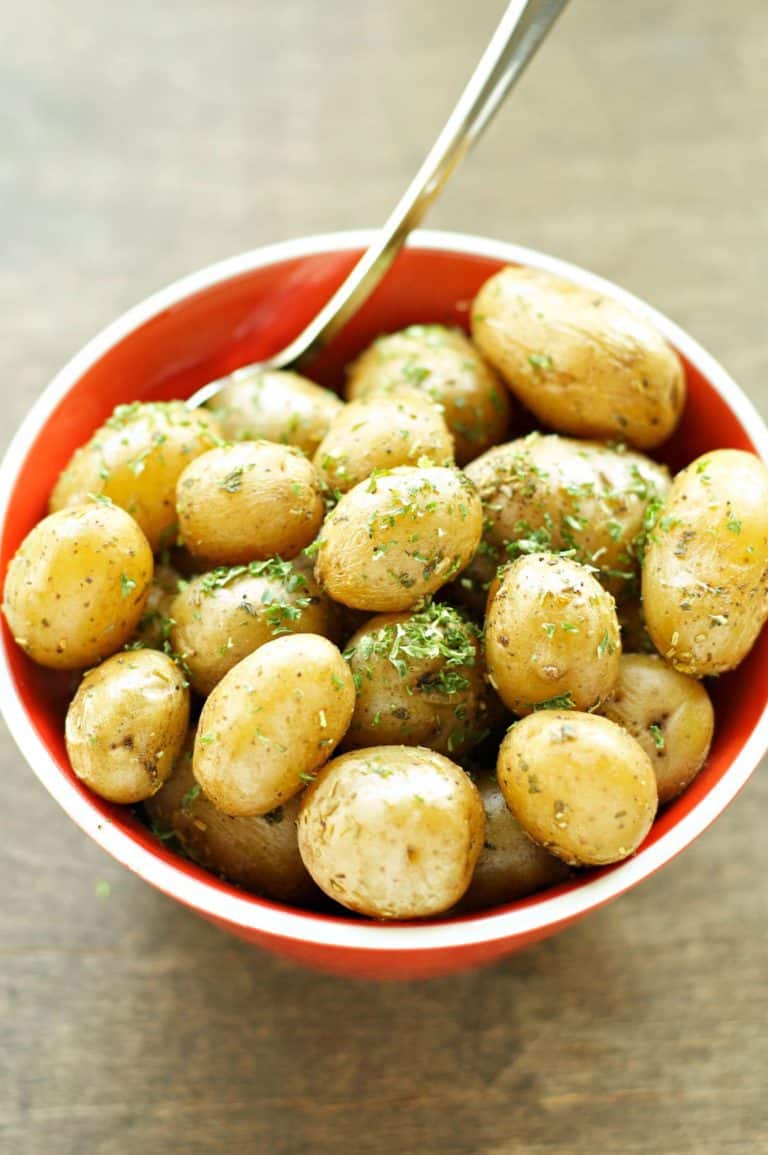
In 2014 and 2015, growers in many parts of the eastern United States region started to notice blackleg symptoms in fields. However, careful inspection of plants suggested that this was not typical blackleg, which is a seed issue resulting from contamination with Pectobacterium followed by excessively wet growing conditions. In this case, growers noticed significant…
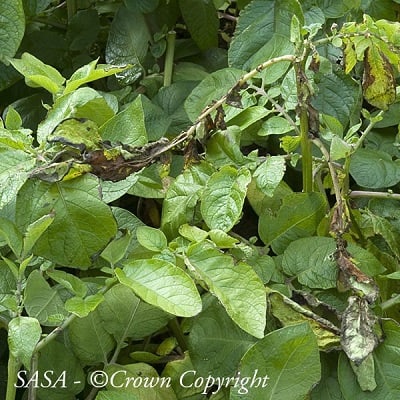
Both Pectobacterium atrosepticum and P. carotovorum subsp. carotovorum have previously been isolated from potato tubers with soft rot symptoms in New Zealand. Only Pectobacterium atrosepticum has been shown to cause blackleg. Pectobacterium carotovorum subsp. wasabiae has been recorded on potato in New Zealand. Both occur sporadically in New Zealand, causing economic damage under optimal temperature…
 [mdocs single-file=”16402″ ]